Living Well on a Budget: Why Grains Are the Smart Lifestyle Choice

Living a sustainable lifestyle is not just about being eco-friendly; it also involves making conscious choices that benefit both our health and the environment. One such choice is embracing whole grains daily. In this article, we will explore the importance of whole grains, their benefits, and how incorporating them into our daily diet can lead to a healthier and more sustainable lifestyle.
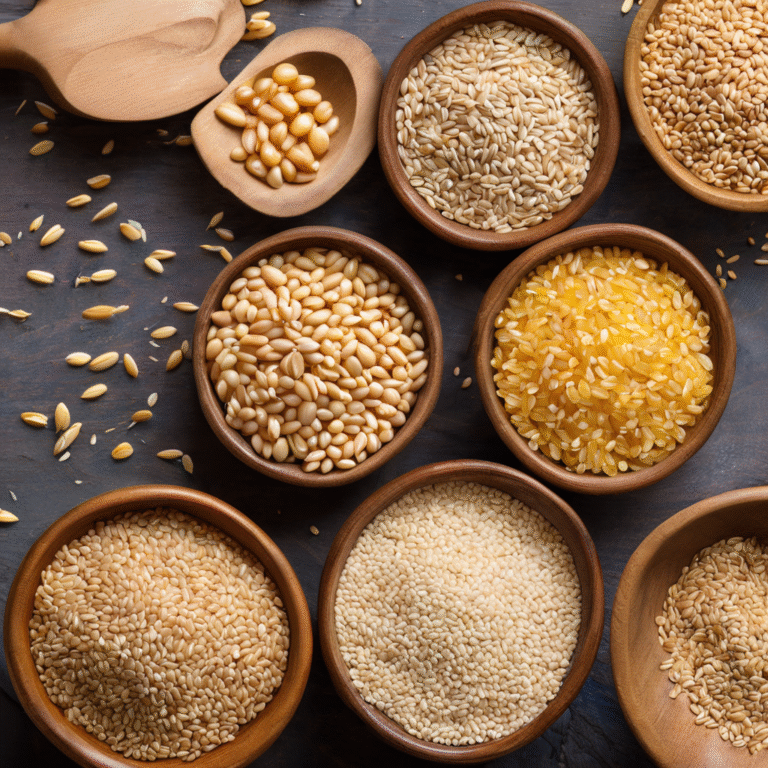
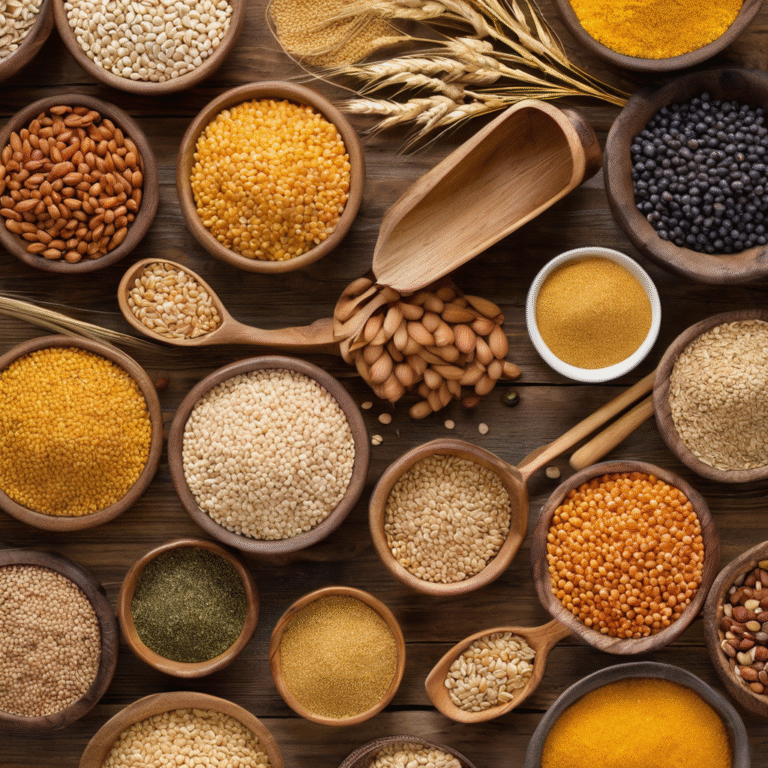
Whole grains are grains that contain all parts of the grain kernel – the bran, germ, and endosperm. Examples of whole grains include brown rice, quinoa, oats, barley, and whole wheat. These grains are rich in nutrients like fiber, vitamins, and minerals, making them a vital part of a balanced diet.
Consuming whole grains has numerous health benefits. They are known to reduce the risk of heart disease, stroke, type 2 diabetes, and certain types of cancer. Additionally, the fiber content in whole grains aids in digestion and helps maintain a healthy weight.
Choosing whole grains over refined grains is not only beneficial for our health but also for the environment. Whole grains require less processing, which means fewer resources are used in their production. By opting for whole grains, we can reduce our carbon footprint and support sustainable agricultural practices.
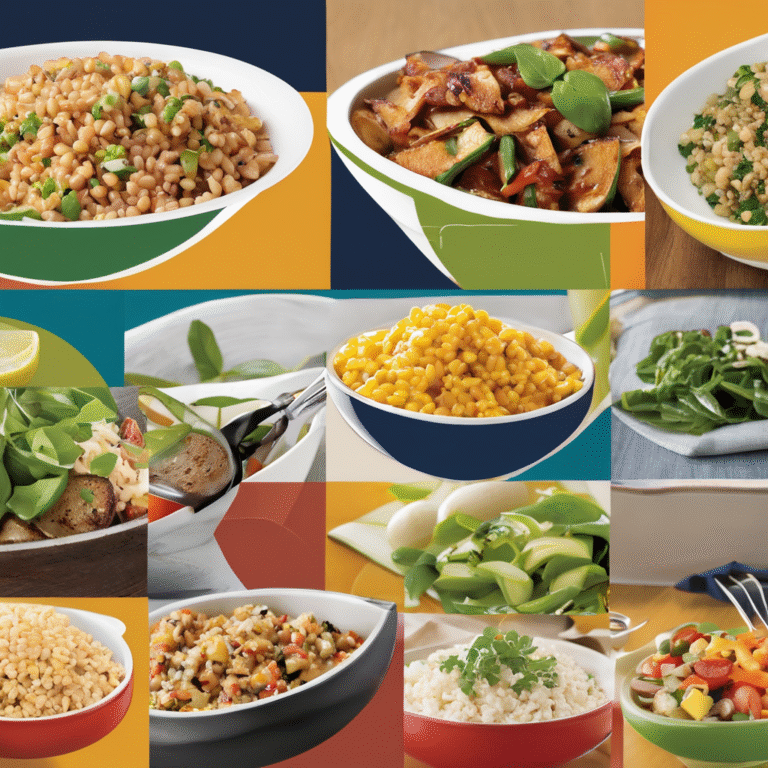
There are many delicious ways to incorporate whole grains into your daily meals. Start your day with a bowl of oatmeal topped with fresh fruits, swap white rice for brown rice or quinoa, and choose whole grain bread over white bread. Experiment with different whole grains to discover new flavors and textures.
Embracing whole grains can also introduce you to a world of culinary diversity. Explore recipes from different cultures that feature whole grains as their main ingredient. From Mexican quinoa bowls to Mediterranean farro salads, the possibilities are endless.
There are some common myths surrounding whole grains, such as they are bland or difficult to cook. In reality, whole grains can be flavorful and easy to prepare with the right recipes and cooking techniques. Don’t let misconceptions deter you from enjoying the benefits of whole grains.
No, most whole grains contain gluten. However, there are gluten-free whole grains like quinoa, brown rice, and buckwheat that can be enjoyed by individuals with gluten sensitivities.
Yes, the fiber content in whole grains can help you feel full for longer periods, which may aid in weight loss by reducing overall calorie intake.
The Dietary Guidelines for Americans recommend that at least half of your grain intake should come from whole grains. Aim for about 3-5 servings of whole grains per day.
Embracing whole grains daily is not just a sustainable lifestyle choice; it is a step towards better health and a greener planet. By incorporating whole grains into your diet, you can enjoy a variety of health benefits while contributing to a more sustainable food system. Make the switch to whole grains today and experience the difference it can make in your life.
Join the movement towards a sustainable lifestyle by making whole grains a staple in your daily diet. Share this article with your friends and family to spread awareness about the benefits of embracing whole grains. Together, we can make a positive impact on our health and the environment.