Living Well on a Budget: Why Grains Are the Smart Lifestyle Choice

Switching to whole grains can have a profound impact on your everyday health. Incorporating whole grains into your diet can bring about numerous benefits that can transform your well-being. From improved digestion to better heart health, the switch to whole grains is a simple yet powerful change you can make for a healthier lifestyle.
Whole grains are packed with essential nutrients that are vital for our bodies to function optimally. Unlike refined grains, which have been stripped of their nutrients during processing, whole grains retain all parts of the grain, including the bran, germ, and endosperm. This means that whole grains are rich in fiber, vitamins, minerals, and antioxidants that are beneficial for our health.
One of the key benefits of whole grains is their impact on digestion. The fiber content in whole grains helps to regulate bowel movements and prevent constipation. Additionally, fiber can also promote the growth of healthy gut bacteria, which is essential for a strong immune system and overall gut health.
Whole grains have also been linked to a reduced risk of chronic diseases such as heart disease, diabetes, and certain types of cancer. The fiber and antioxidants in whole grains play a crucial role in lowering cholesterol levels, regulating blood sugar levels, and reducing inflammation in the body, all of which are important factors in preventing these diseases.
Incorporating whole grains into your diet can also help with weight management. The fiber in whole grains helps you feel full and satisfied, reducing the likelihood of overeating. Additionally, whole grains have a lower glycemic index compared to refined grains, which means they can help stabilize blood sugar levels and prevent sudden spikes and crashes in energy.
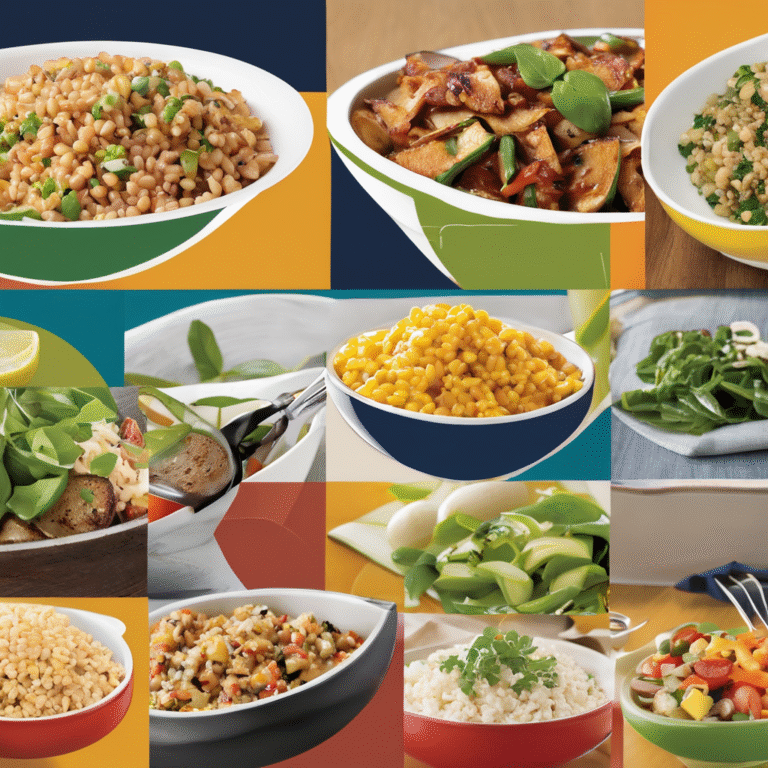
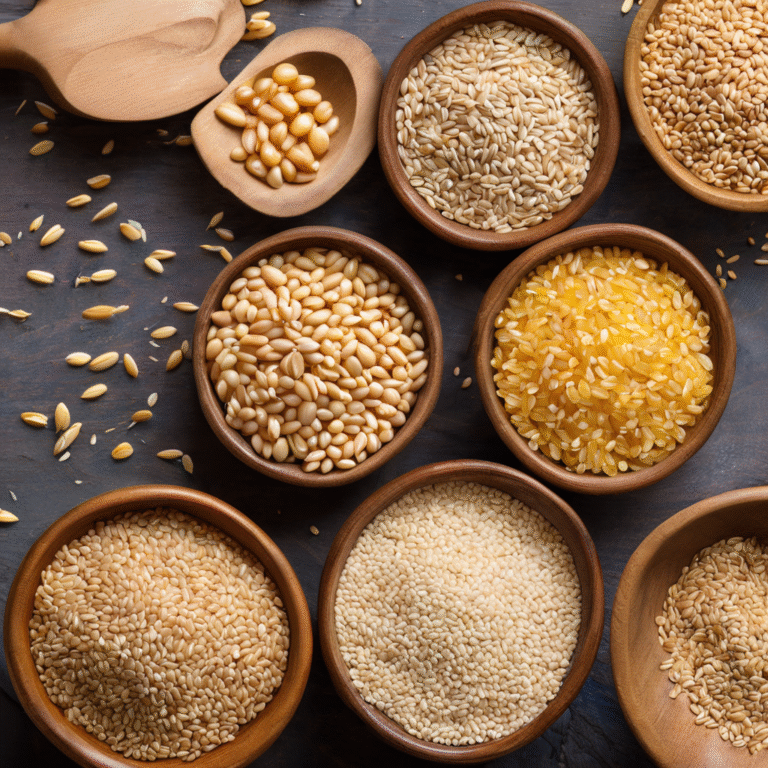
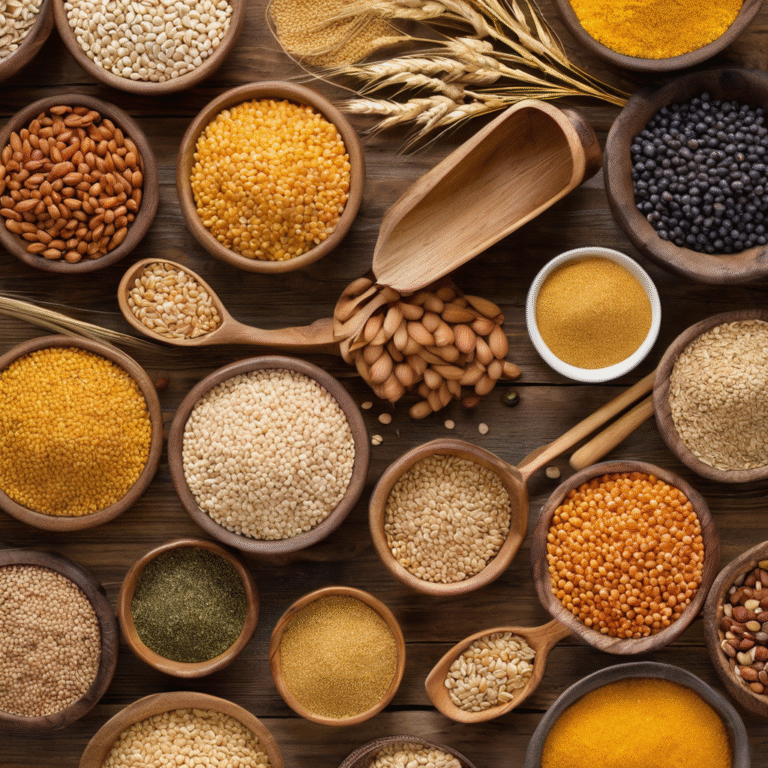
Whole grains are incredibly versatile and can be easily incorporated into a variety of dishes. From whole grain bread and pasta to brown rice and quinoa, there are numerous options to choose from. Experimenting with different whole grains can add variety to your meals and make eating healthy more enjoyable.
When making the switch to whole grains, it’s important to read labels carefully and choose products that are truly whole grain. Look for terms like “whole wheat,” “whole oats,” or “whole grain” as the first ingredient on the label. Avoid products that list refined grains or sugars as the main ingredients.
It’s also important to gradually introduce whole grains into your diet to allow your body to adjust to the increase in fiber. Sudden changes in fiber intake can lead to digestive discomfort, so it’s best to start slowly and gradually increase your consumption of whole grains over time.
If you’re unsure of how to incorporate more whole grains into your diet, consider seeking guidance from a registered dietitian or nutritionist. They can provide personalized recommendations based on your individual health goals and dietary preferences.
In conclusion, making the switch to whole grains can have a significant impact on your everyday health. From improved digestion to reduced risk of chronic diseases, the benefits of whole grains are undeniable. By incorporating a variety of whole grains into your meals and being mindful of product labels, you can take a simple yet powerful step towards a healthier lifestyle.
Start reaping the benefits of whole grains today by making small changes to your diet and enjoying the delicious and nutritious options that whole grains have to offer. Your body will thank you for it in the long run.