Living Well on a Budget: Why Grains Are the Smart Lifestyle Choice

Grain-centered diets have gained popularity in recent years as a simple yet effective way to achieve balanced living. With a focus on incorporating a variety of grains into daily meals, these diets offer numerous health benefits and are relatively easy to follow. Whether you’re looking to improve your overall well-being or simply diversify your food choices, embracing a grain-centered diet could be the key to a healthier lifestyle.
When we talk about grain-centered diets, we refer to a way of eating that places grains at the center of your plate. Grains such as rice, quinoa, oats, and barley are rich in essential nutrients like fiber, vitamins, and minerals. By making these grains the focal point of your meals, you can ensure that you’re getting a good balance of carbohydrates, proteins, and fats, which are vital for overall health.
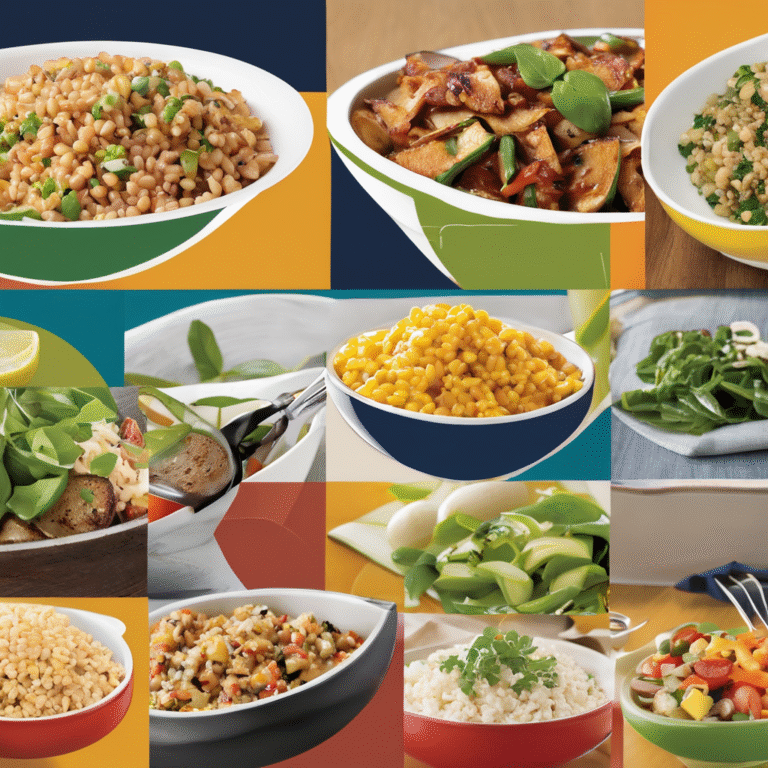
One of the main advantages of a grain-centered diet is its versatility. Grains can be incorporated into a wide range of dishes, from breakfast bowls and salads to soups and stir-fries. This flexibility allows you to experiment with different flavors and textures, making your meals more exciting and satisfying. Additionally, grains are relatively affordable and widely available, making them a practical choice for individuals on a budget.
In addition to being versatile and budget-friendly, grain-centered diets are also good for the environment. Grains have a lower carbon footprint compared to animal products, making them a more sustainable choice for those looking to reduce their impact on the planet. By choosing grains over meat or dairy more often, you can contribute to a more eco-friendly food system and help preserve natural resources for future generations.
Another key benefit of grain-centered diets is their positive impact on health. Whole grains, in particular, are known for their role in reducing the risk of chronic diseases such as heart disease, diabetes, and certain types of cancer. By incorporating a variety of whole grains into your diet, you can improve your overall health and well-being, leading to a longer and more fulfilling life.
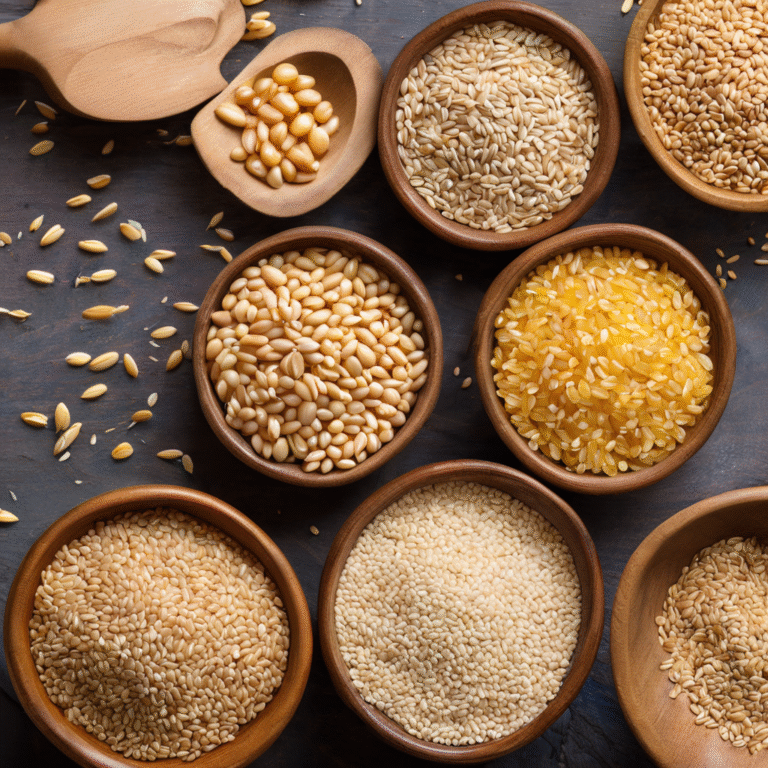
When transitioning to a grain-centered diet, it’s important to focus on whole grains rather than refined grains. Whole grains retain their natural fiber and nutrients, making them a healthier choice compared to refined grains, which have been stripped of these essential components. Some examples of whole grains include brown rice, whole wheat pasta, quinoa, and bulgur. By choosing whole grains whenever possible, you can maximize the nutritional benefits of your diet.
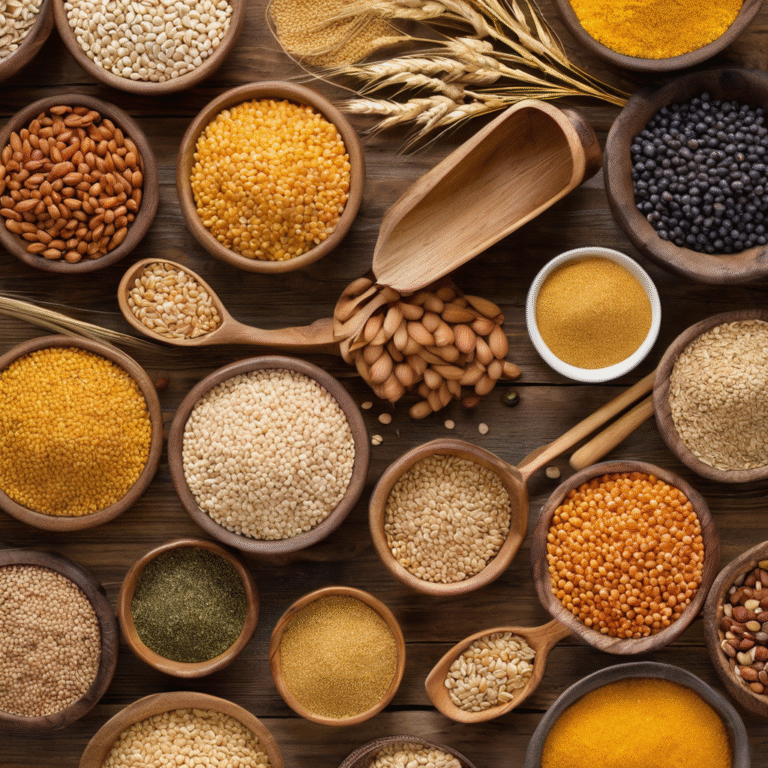
In addition to whole grains, it’s also important to include a variety of grains in your diet to ensure you’re getting a wide range of nutrients. Different grains offer different health benefits, so mixing things up can help you cover all your nutritional bases. For example, oats are rich in soluble fiber, which can help lower cholesterol levels, while quinoa is a complete protein source, making it an excellent choice for vegetarians and vegans.
While grains should form the foundation of your meals on a grain-centered diet, it’s also important to complement them with other food groups for a well-rounded diet. Incorporating plenty of fruits and vegetables, lean proteins, and healthy fats alongside your grains can help ensure you’re meeting all your nutritional needs. By creating balanced meals that include a variety of food groups, you can support your overall health and energy levels.
In addition to improving your physical health, a grain-centered diet can also have positive effects on your mental well-being. Eating a variety of grains can help stabilize blood sugar levels and promote steady energy throughout the day, reducing feelings of fatigue and mood swings. Additionally, the satisfaction of enjoying delicious and nourishing meals can contribute to a sense of happiness and contentment.
For those looking to adopt a grain-centered diet, it’s important to start slowly and make gradual changes to your eating habits. Begin by swapping out refined grains for whole grains in your favorite dishes, such as switching white rice for brown rice or choosing whole grain bread over white bread. As you become more comfortable with incorporating grains into your meals, you can start experimenting with new recipes and ingredients to keep things interesting.
To make the transition to a grain-centered diet easier, consider planning your meals ahead of time and stocking up on a variety of grains and grain-based products. Having a well-stocked pantry can make it easier to whip up nutritious meals on busy days and prevent you from resorting to less healthy options. Additionally, don’t be afraid to get creative in the kitchen and try out new grains and recipes to expand your culinary horizons.
Overall, embracing a grain-centered diet can be a simple yet powerful step towards achieving balanced living. By prioritizing grains in your meals and incorporating a variety of whole grains into your diet, you can reap numerous health benefits and contribute to a more sustainable food system. Whether you’re looking to improve your health, protect the environment, or simply enjoy delicious and nutritious meals, a grain-centered diet offers a straightforward and enjoyable path to balanced living.