Living Well on a Budget: Why Grains Are the Smart Lifestyle Choice

In a world filled with an overwhelming array of food choices, it’s easy to get caught up in the latest food trends and fads. However, when it comes to building a minimalist pantry, sometimes simplicity is key. One staple that stands out above the rest is grains. Grains are versatile, nutritious, and can be the foundation of countless delicious meals. Let’s delve into why grains should be the star of your pantry.
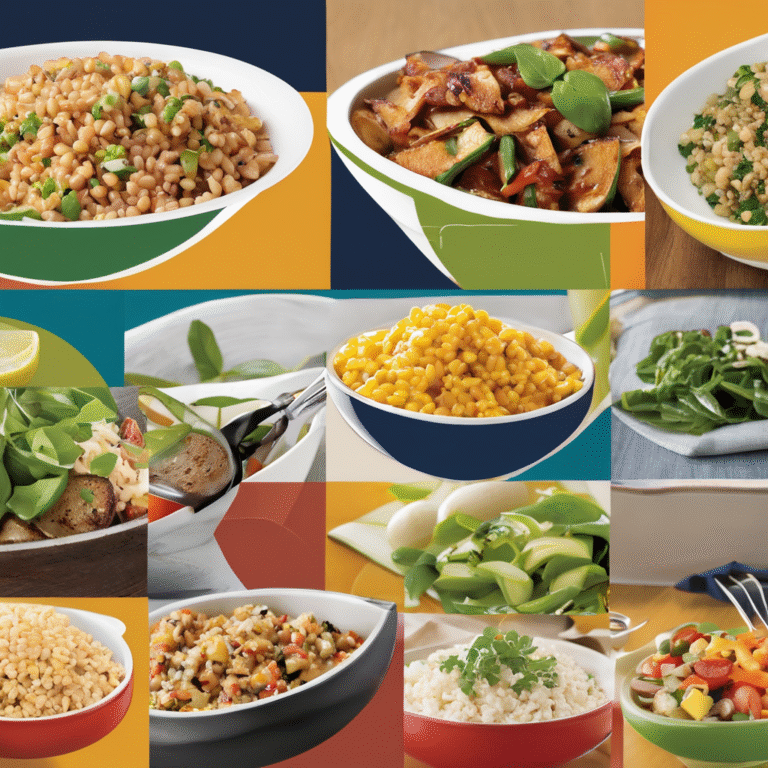
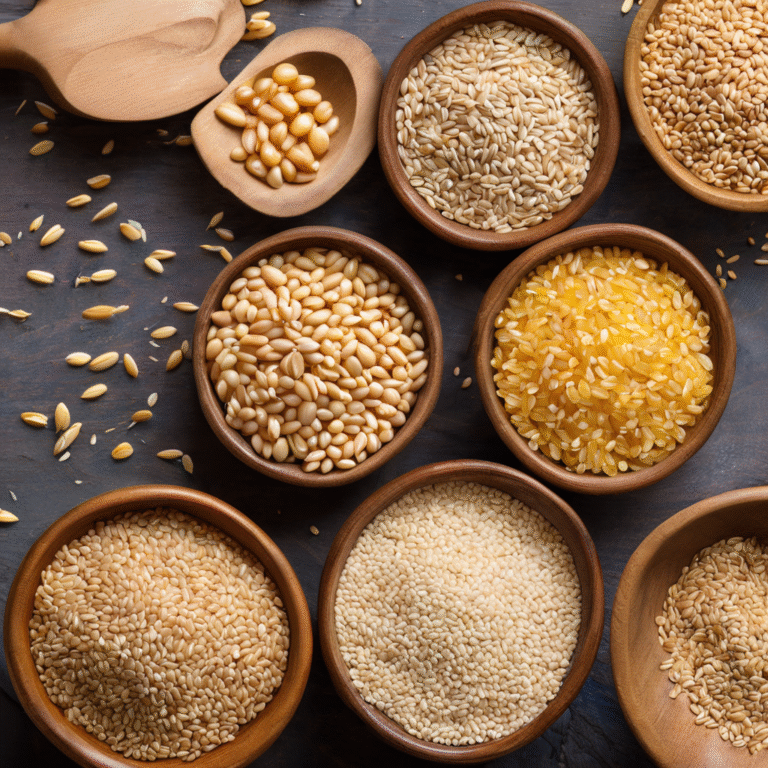
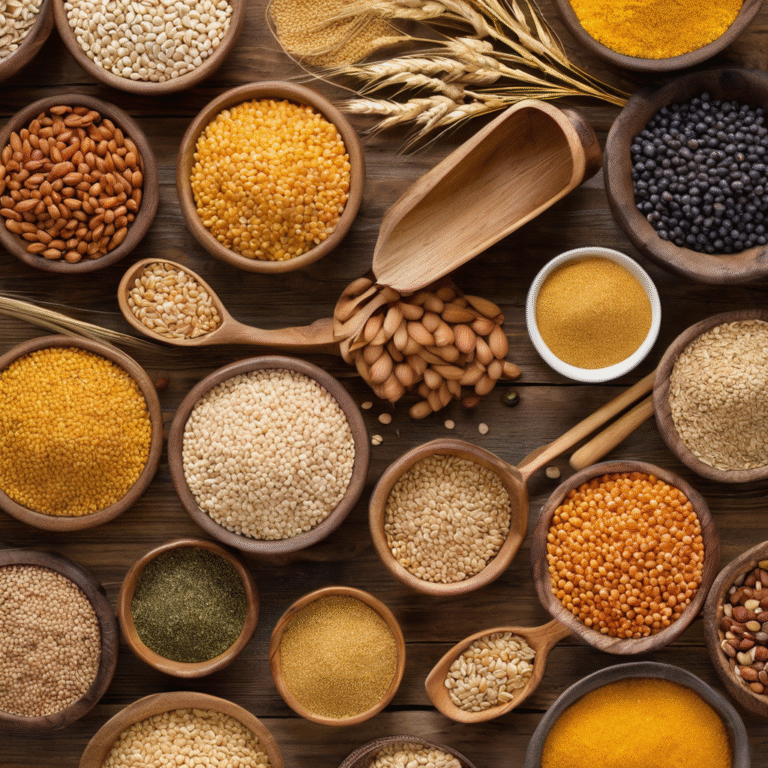
Grains come in a variety of forms, from rice and quinoa to oats and barley. This diversity allows you to create a wide range of dishes, from hearty soups and stews to light salads and pilafs. Whether you’re in the mood for a comforting bowl of risotto or a refreshing tabbouleh, grains have got you covered.
Not only are grains versatile in the kitchen, but they also pack a nutritional punch. Whole grains are rich in fiber, vitamins, minerals, and antioxidants. They can help lower cholesterol, regulate blood sugar levels, and promote a healthy digestive system. By incorporating a variety of grains into your diet, you can ensure you’re getting a wide array of essential nutrients.
One of the biggest advantages of stocking your pantry with grains is their affordability and long shelf life. Grains are a cost-effective way to feed yourself and your family, especially when bought in bulk. Additionally, most grains have a long shelf life, making them a convenient pantry staple that won’t go to waste.
Choosing grains as the mainstay of your pantry can also have positive environmental implications. Grains generally have a lower carbon footprint compared to animal products, making them a more sustainable choice for the planet. By reducing your consumption of animal products and opting for grains instead, you can contribute to a greener future.
With grains as the foundation of your pantry, meal preparation becomes a breeze. Grains like rice and quinoa can be cooked in large batches and stored for later use, making it easy to throw together a nutritious meal in a matter of minutes. This simplicity is especially valuable for busy individuals looking to eat healthily without spending hours in the kitchen.
Grains are not only a versatile and nutritious choice but also a staple in cuisines around the world. From the rice fields of Asia to the couscous dishes of North Africa, grains play a central role in diverse culinary traditions. By embracing grains in your pantry, you’re tapping into a rich tapestry of global flavors and culinary heritage.
Whole grains, in particular, offer a myriad of health benefits. They are linked to a reduced risk of heart disease, stroke, type 2 diabetes, and certain types of cancer. By choosing whole grains over refined grains, you’re making a healthier choice for both your body and mind.
Grains are known for their satiating properties, helping you feel full and satisfied after a meal. This can be especially beneficial for weight management and overall health. By incorporating grains into your meals, you can curb cravings and maintain a healthy eating pattern.
One of the beauty of grains is their ability to take on a wide range of flavors and textures. Whether you’re craving something savory, sweet, spicy, or tangy, grains can be paired with various ingredients to create a dish that suits your taste preferences. The possibilities are endless when it comes to experimenting with grains in the kitchen.
Unlike some specialty ingredients that may be hard to come by, grains are widely available in grocery stores and markets worldwide. Whether you’re shopping at a local market or a large supermarket chain, you’re likely to find a variety of grains to choose from. This accessibility makes grains a convenient choice for home cooks everywhere.
Grains have been a dietary staple for centuries, standing the test of time as a reliable source of sustenance. From ancient civilizations to modern-day diets, grains have played a crucial role in feeding populations around the globe. By embracing grains in your pantry, you’re connecting with a culinary tradition that spans cultures and generations.
A: While some grains contain gluten, such as wheat, barley, and rye, there are plenty of gluten-free options available, including rice, quinoa, millet, and buckwheat. Individuals with gluten sensitivities or celiac disease can still enjoy a wide variety of grains in their diet.
A: Start by swapping out refined grains for whole grains in your favorite recipes. Incorporate grains like brown rice, whole wheat pasta, and barley into soups, salads, stir-fries, and casseroles. Experiment with different grains to discover new flavors and textures that suit your palate.
A: Grains can be a valuable part of a weight loss journey due to their fiber content and ability to promote satiety. By including whole grains in your meals, you can feel fuller for longer, potentially reducing overall calorie intake and supporting weight management goals.
When it comes to creating a minimalist pantry that is both nutritious and versatile, grains are truly the unsung heroes. By stocking your shelves with a variety of grains, you can simplify meal preparation, boost your nutritional intake, and explore a world of culinary possibilities. Whether you’re a seasoned home cook or just starting out in the kitchen, grains offer a foundation for delicious and wholesome meals that will nourish both body and soul.